


← Industry & component applications

Lubrication, bonding & protection

Automotive

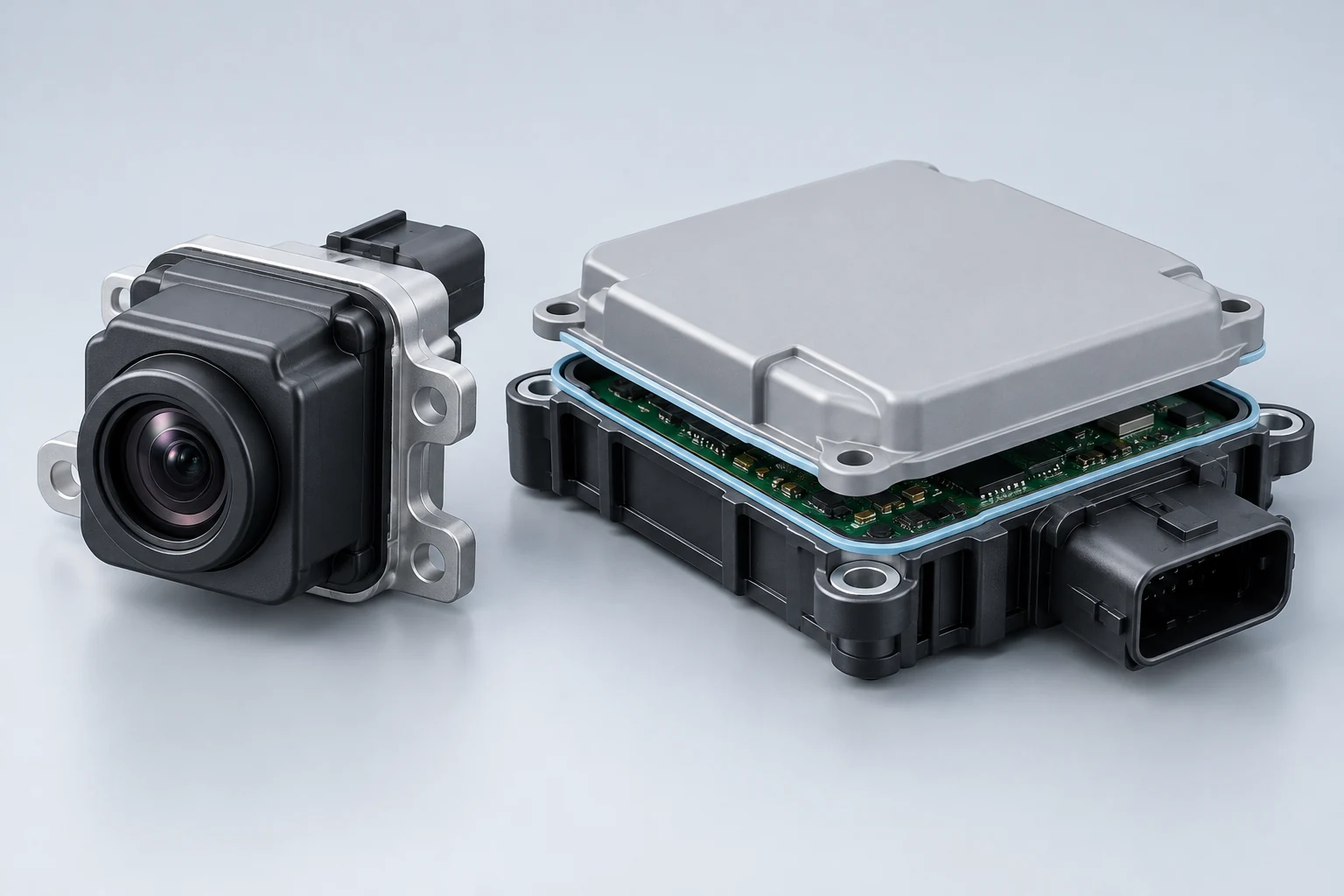
From moving mechanisms to camera and sensor assembly.

Automotive actuator lubrication

From the component and issue to material selection and sample evaluation.

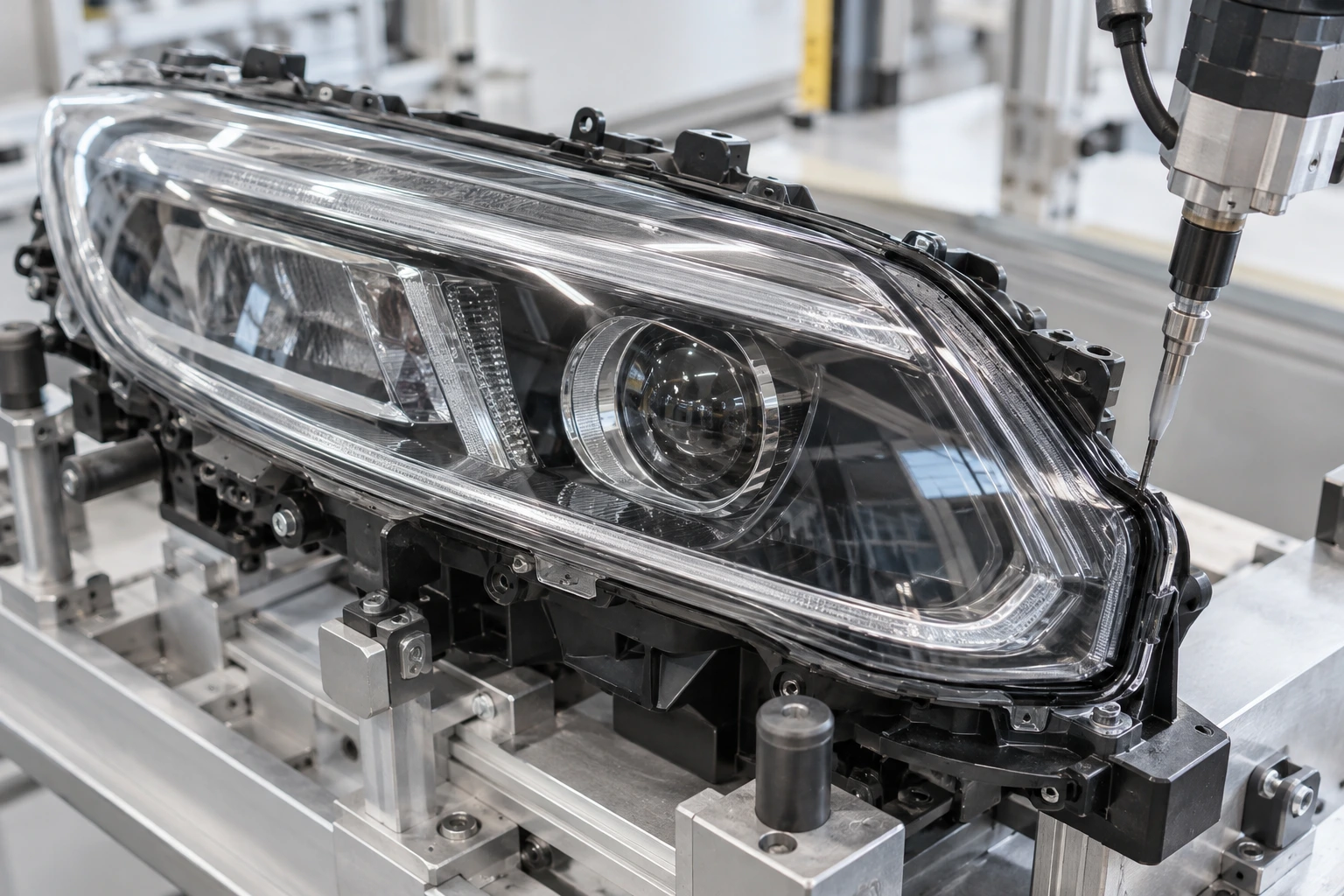
Generic car application illustration in a bright design studio

Automotive mechanisms & connectors

Review small drives and electrical contacts separately

Separate moving contacts, electrical contacts and seals; review the design specification and actual assembly.

Miniature gears and actuators
Contact location
Working contacts in reduction gears, bearings and guides.
Process review
Compare cold starts, operating current and noise at matching application locations and doses.

Evaluation inputs

  • Actual polymer, metal and elastomer materials
  • Temperature, load, travel and duty cycle
  • Current lubricant, application method and condition after cycling
Connectors and electrical contacts
Contact location
Terminal contact interfaces, distinguished from housing seals and mating surfaces.
Process review
Follow the design specification and evaluate contact resistance, mating force and wear under small motions together.

Evaluation inputs

  • Plating, contact geometry and electrical requirements
  • Mating cycles/force, vibration, temperature and humidity
  • Application boundary, migration and adjacent materials
Mirror adjustment and power folding
Contact location
Separate glass-adjustment gears from folding worms and pivots.
Process review
For functional friction contacts, compare the required drive and slip torque against the design specification.

Evaluation inputs

  • Adjustment/folding function and contact materials
  • Cold-start conditions, operating current/torque and noise
  • Specified lubricant/dose, retention and motion after cycling
Discuss your component and conditions

Bonding, sealing & protection

MATERIAL SELECTION & EVIDENCE

From the part to a testable material choice

What information does EUBO need for a material enquiry?

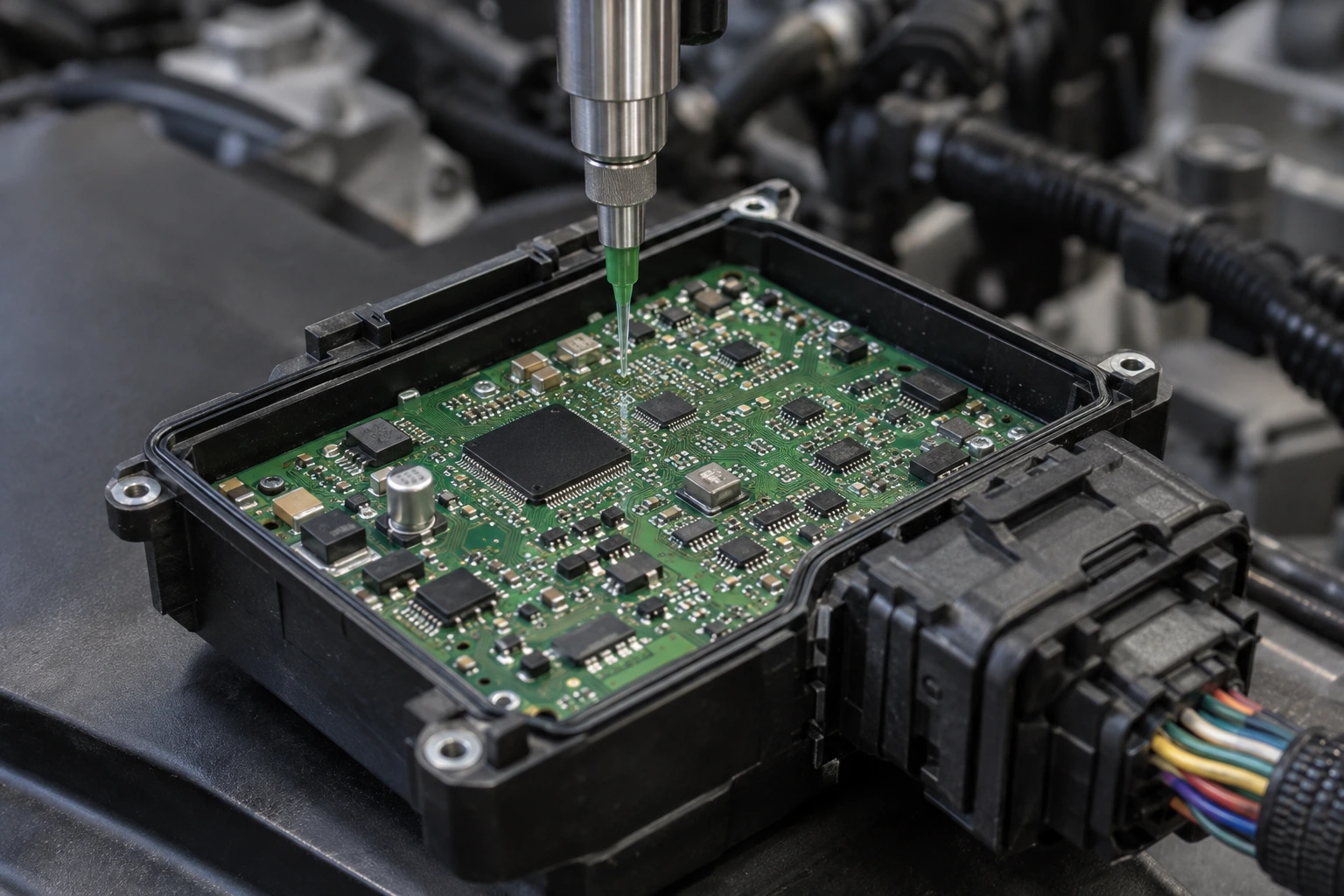
Start with the part and its task: lubricating a movement, sealing, bonding or protecting a surface. Identify the contact materials, the current material or lubricant, the operating conditions and the specific problem. A photo or drawing helps locate the relevant contacts.

How should lubrication and electronic assembly be evaluated separately?

For moving contacts, describe temperature, load, speed, noise and the required operating feel. For bonding and protection, describe the parts, gap, application method, curing process and required inspection. These inputs lead to different material candidates and evaluation plans.

Which documents should be checked before a sample trial?

Match the current TDS and SDS to the exact product name and intended region. Define the test conditions, application amount and acceptance criteria. If an approval or certification is required, check its precise scope. A product family or example application does not establish approval for your part.

Discuss your application

Technical enquiry & samples →

EUBO · PRIVACY

Cookies & storage settings

These choices apply to this browser. Browsing or scrolling does not give permission for optional purposes.

Essential site & enquiry features

Used for privacy preferences, enquiry continuity, unsent text and attachments, and reply status. This storage is not used for analytics or advertising.

Always on

If optional tools are added, we will ask for a new choice. Preferences are valid for up to 180 days and can be changed through Cookie settings in the footer.